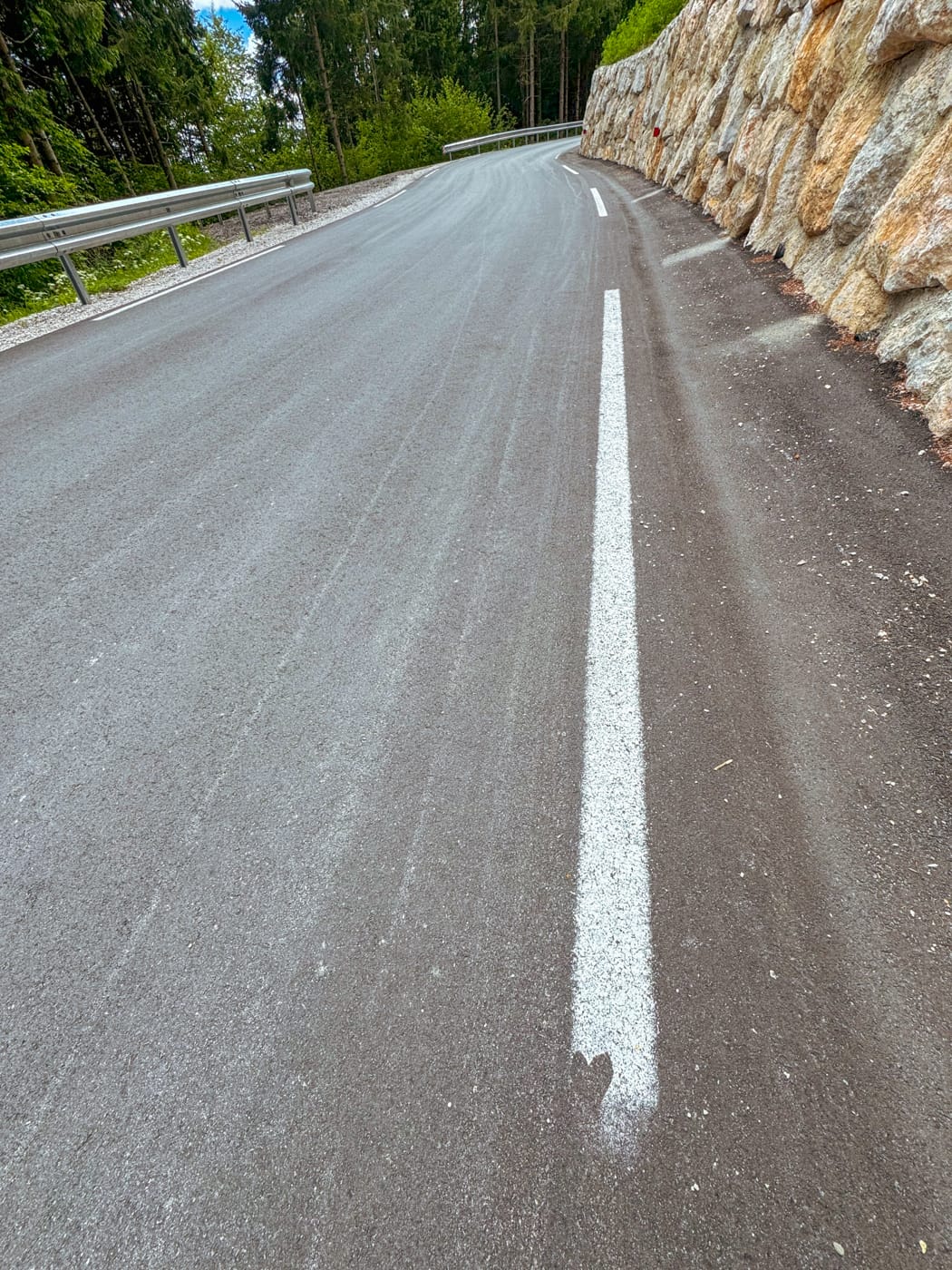
Hope you are well, my dear reader. This letter is based on notes recorded and pictures taken during a bicycle journey from the Italian mountain town of Tarvisio to the seaside city of Rovinj, Croatia.
As usual, the letter is connected to one sentence of the Mirage Mir story, this month it is:
"You’d never been afraid to disappear and look for what comes to you in the silence, but suddenly you had time on the scale of months. Not hours, separated by weeks of disjointed and fragmented junktime."
Because once again I find out how moving across the landscape at the speed of a horse, for multiple days, helps concentration and play. The ultimate sanity engine.
So grateful I could spend the whole days immersed in my favorite topics & day dreams while moving, breathing fresh air, and pleasantly wearing myself out.
While working on the story, the supporting notes build the monthly letter skeleton.
The letters as slow media, emerging on the order of weeks.
And above them, the book, emerging on the order of months to years.
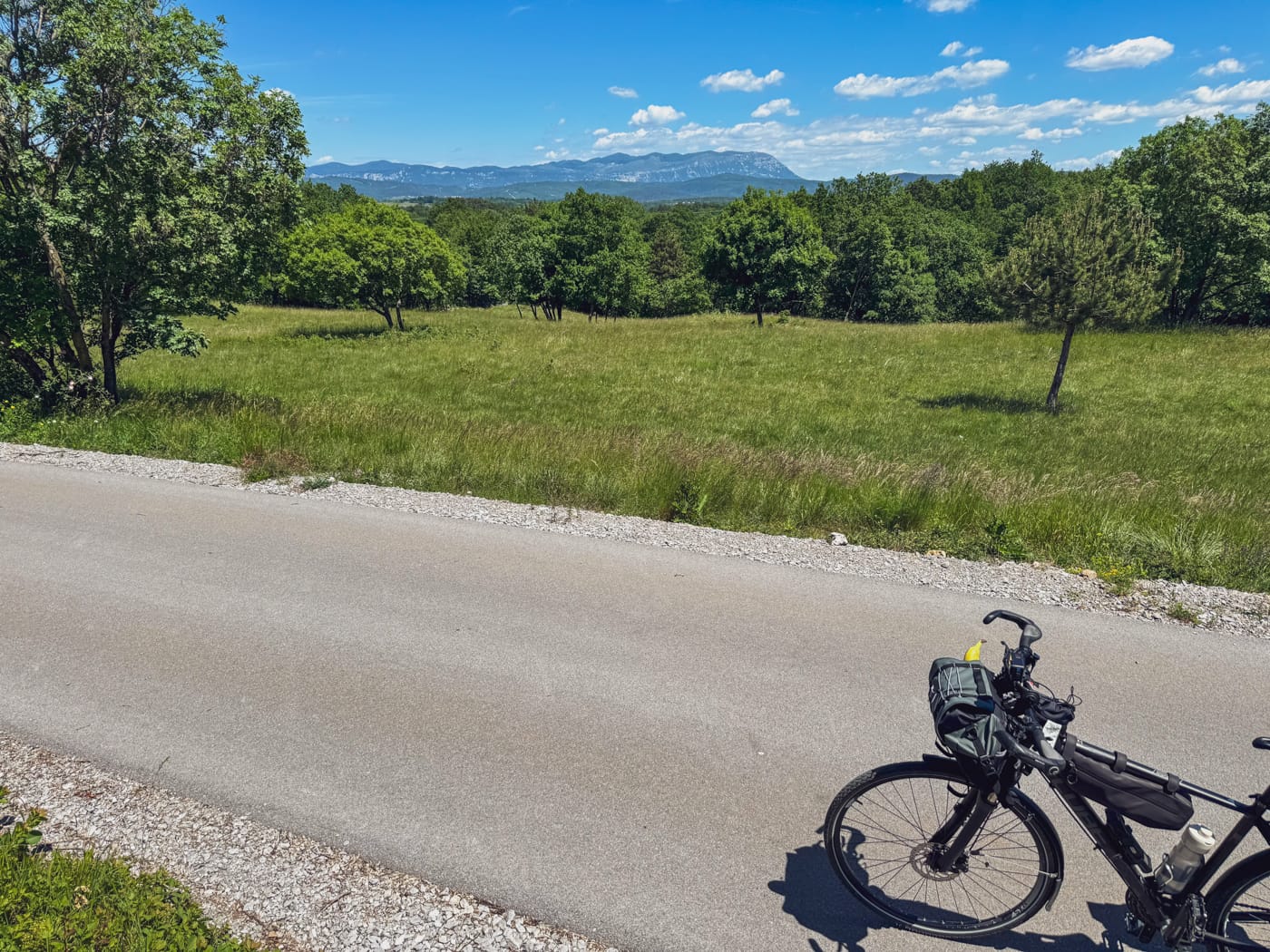
Across the zones
Perhaps the strongest planetary system experience of the journey: to cross the Julian Alps and descend into Mediterranean air.
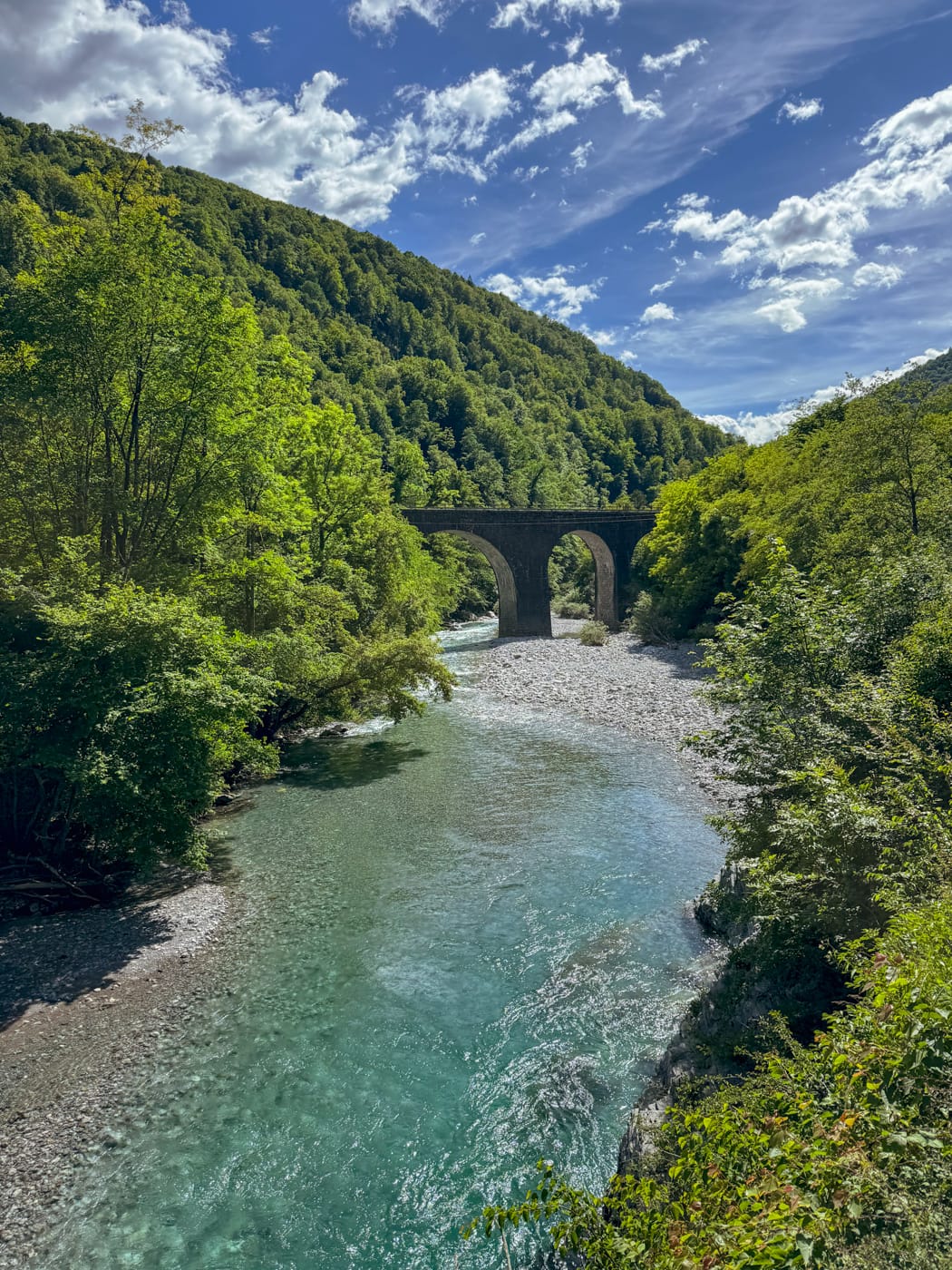
Crossing, under my own power, from the Alpine region all the way to the subtropical one. Alongside emerald green rivers, across a mountain pass and a karst plateau, down to the sea.
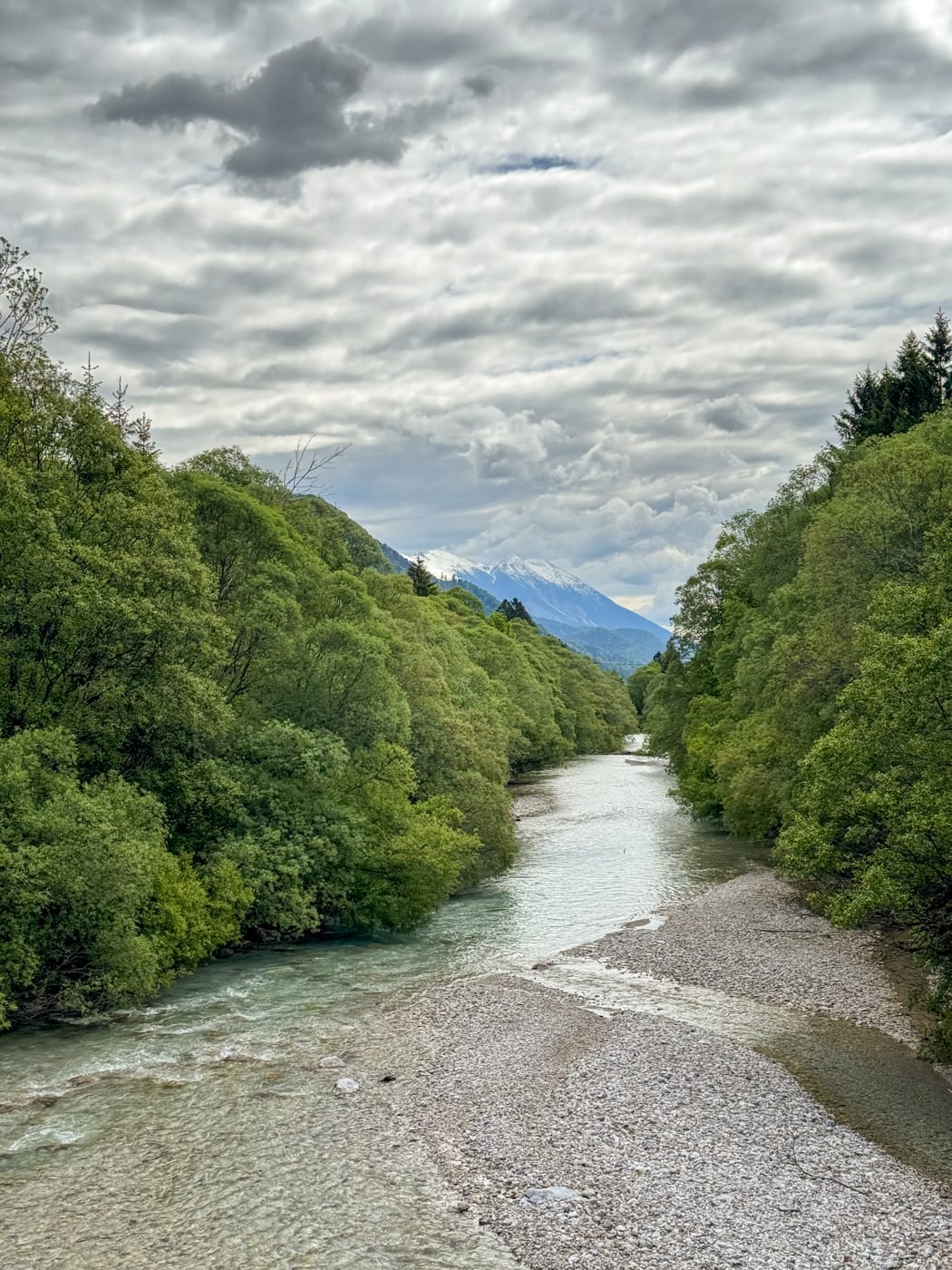
In the mountain pass still heaps of snow. Spruce and ferns. Hard to believe the sea exists.
But going down, how the meadows begin to smell differently, how the first geraniums are visible in the windows of the little houses in the valley, and even lower the fleshy, waxy leaves of ever more spreading plants.
Ah, the descent into a valley I have never visited, alongside a little river that gathers tributaries, until it itself flows into the beautiful river Soča/Isonzo.
And cedars and palms appear.
In the town of Sežana I gaze at a certain house and its balcony, and visions of the sea wash over me. As if the building is imprinted with actions and thoughts, ideas and events that have happened to a sea captain and I can perceive it. Protonace, anyone?
The soil turns red.
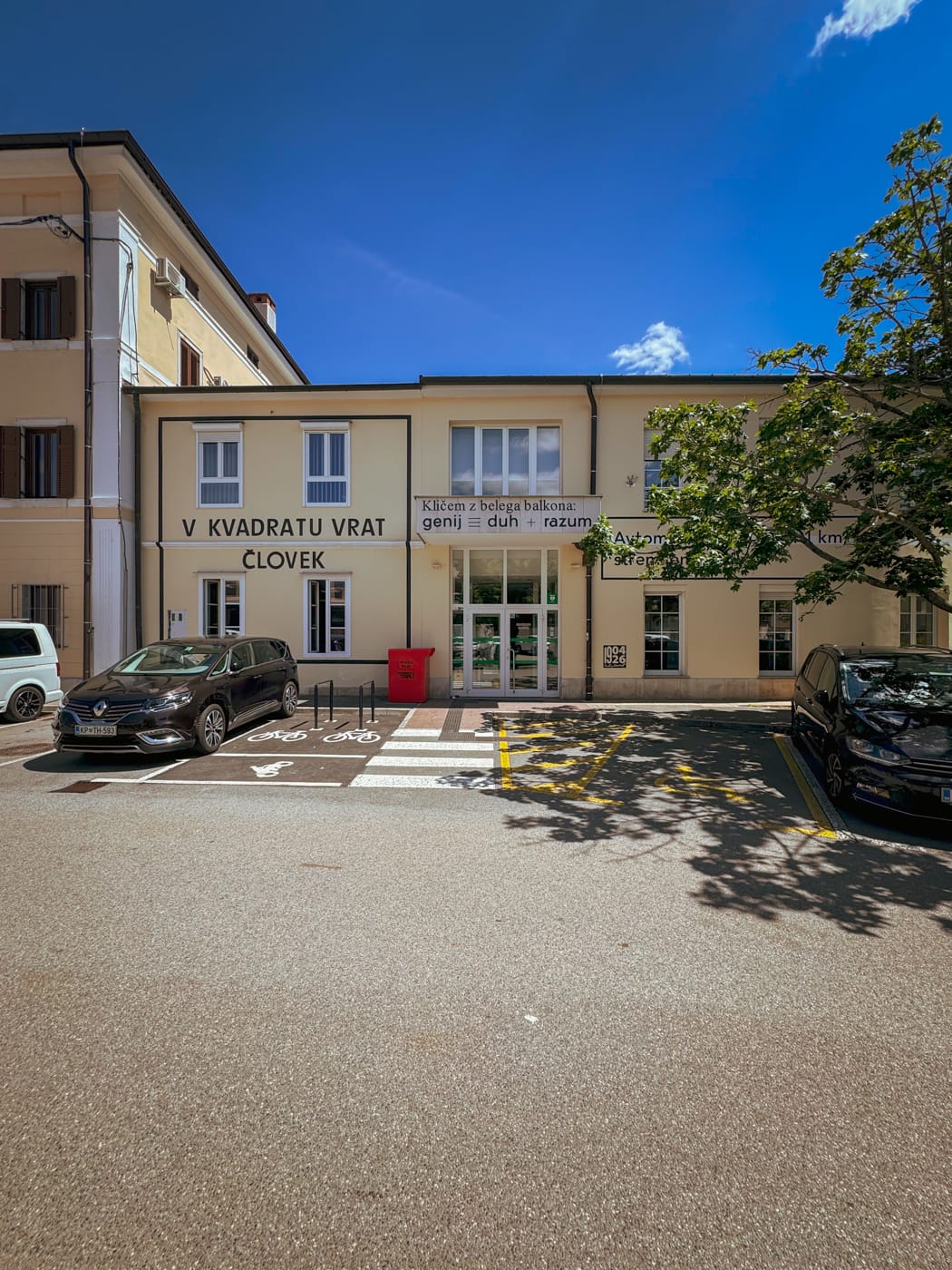
I know I am close when I spot a Renault 4, the true sea sentinel in Croatia.
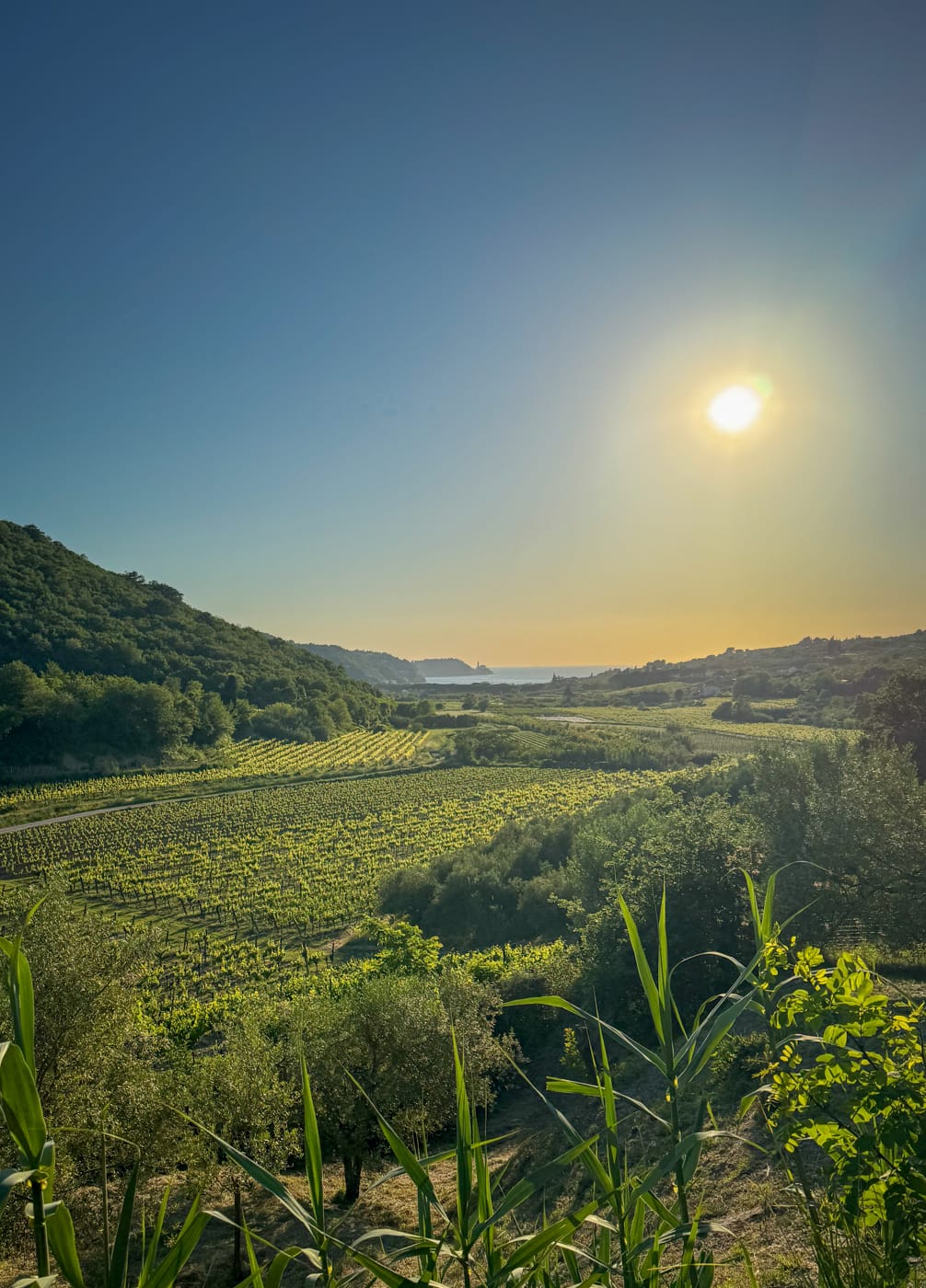
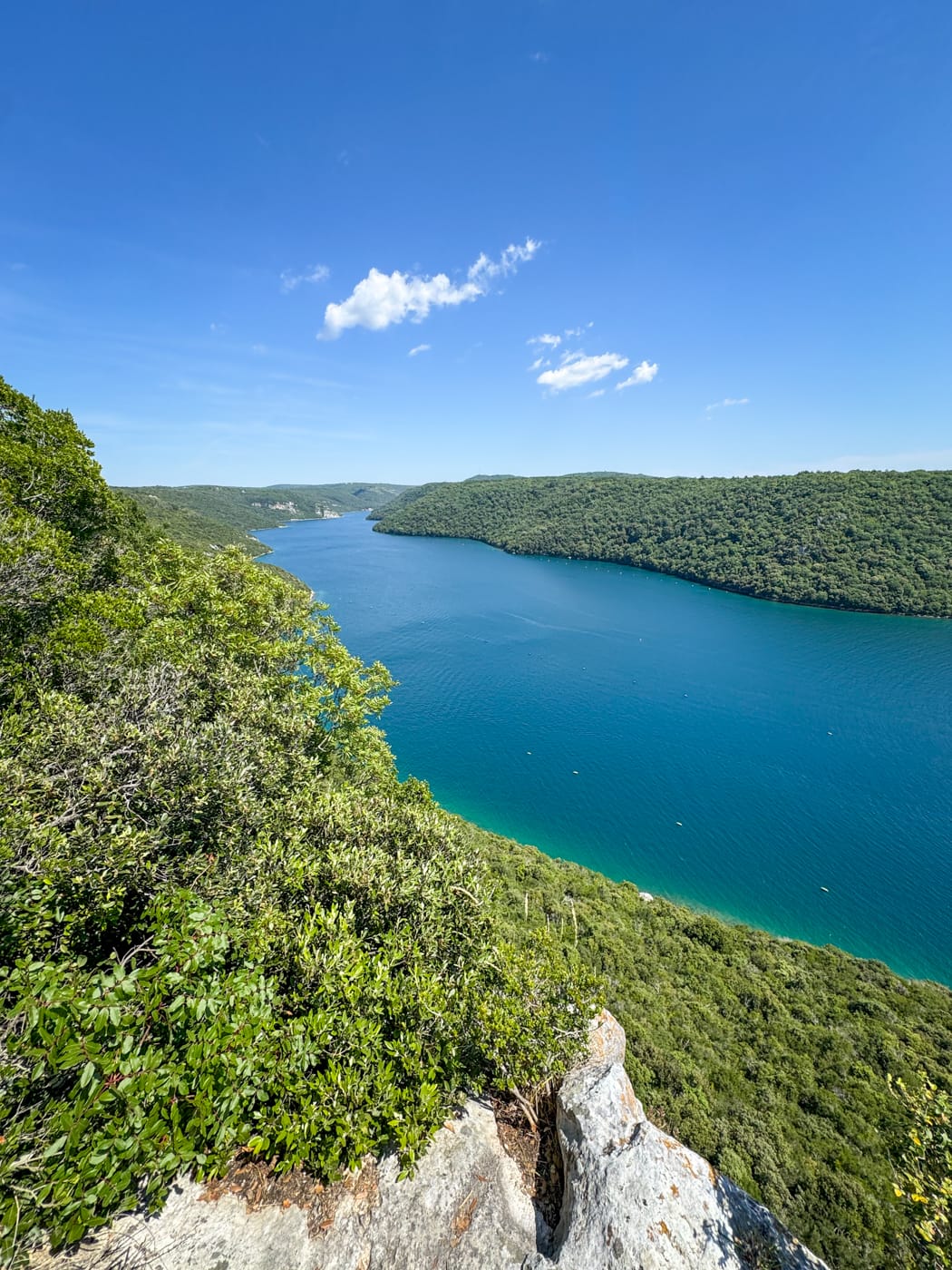
And then I see it:
The story as a dashboard
In the previous letter, I mention a simple design in which an AI actively maintains and edits a living repository of markdown files, by Andrej Karpathy.
He calls it the Large Language Model wiki, using LLMs to do the bookkeeping that humans abandon = automating the maintenance and even synthesis that defeated every previous attempt to build the perfect knowledge system.
I find his concept/terminology useful to think about learning & knowledge management.
What are we actually trying to protect when working with knowledge in the age of AI: speed and productivity, or our own understanding and mental health?
What formations and degrees of cognitive surrender are still meaningful and when, under what conditions = when to refuse artificial help and when to hand over the keys?
Or, better yet, how to use the multiple speeds available to us? Because these systems and practices are not mutually exclusive: friction of keeping up your own memories and knowledge and Karpathy's synthesis can be layered.
For example, AI can prepare or maintain material that a person then consciously reformulates and/or works with, engages within.
It relates to one of the core ideas I explore & try to write about here, the idea that it's more urgent than ever:
- to expand what we mean by the human–computer interface and
- to include the habits (practice) people bring to the machine.
= Practice as part of the emerging Human-AI Interaction (HAII) paradigm.
As we start asking whether AI replaces thinking or deepens it, practice becomes part of the interface by necessity.
The story as the wiki
In that previous letter I consider The Schema the most interesting element of Karpathy's LLM wiki concept = a method, or description, by which your large language model updates your knowledge base with every new piece of information.
The practice and the law, the code of conduct.
The schema is definitely a very important vector for the new HAII-paradigm.
While working on the new chapter & worldbuilding of the Mirage Mir story, however, I delve deeper into what the schema and the source documents create together: the wiki itself.
A structured, persistent, and compounding artefact that sits between you and the raw sources of your memory/knowledge system.
I explore the idea and imagine what the true shape of the legendary memory system of dream hunters could/should be. What does it look like?
What might such a dashboard, an overview of this kind of memory system, look like?
Of memory system and practice around it, where the only bottleneck is pushing the frontier of good ideas, and your own sense of wonder and intrinsic motivation?
The answer is that it can look like a story:
- a narrative made of various elements of a personal paracosm (imaginary universe),
- a binding of its objects and events in the course of time,
- a linear sequence, a chain, a route, a journey you experience in order, from start to finish...
... but all to keep an overview of the memory system up to date and interesting = pleasure to engage with.
This pleasure brings professional insight and professional insight enhances pleasure. Private passion for worldplay influences professional vocation and vice versa.
Shapes and the board
The reason for giving your (memory or knowledge) system shapes? It becomes easier to recall, to hold within your mind + becomes and stays interpretable, so it can be shared and discussed:
- memory and/or knowledge objects have a stable home in the story
- address,
- a type,
- a shape you can recognise:
say, a protagonist within a scene with a certain will and agency/ideas, with uncertain fate.
We might call those shapes icons, glyphs or syzygies. Good ol' Giordano Bruno would say emblems.
It is an object that is different from various sides. But it captures within itself the result of cumulative thinking.
Recorded and processed experiences, inspirations, understandings, emotions or thoughts.
Thanks to them one can think & talk about various topics.
Thanks to the story the world creator/owner can carry them around and better recall them, unlock them, because a story is easily/well remembered and shared.
The Log and the literature
If we continue with Karpathy's LLM wiki analogy, we need to imagine and implement another important part of the system: the log.
Because the story built above a lifelong memory system has many versions, necessarily.
Depending on the life phase, the story differs and the log tracks and maintains a description of these differences.
The characters have a different arrangement, a different sequence of péripéties, fates or just stories.
They might change, evolve, get refurbished or even wither.
Thanks to the log, you can rewind and review the various arrangements of your memory system/knowledge base. Read different versions of hi/stories.
Cheeky thought: if a story functions as a dashboard for data/knowledge stored in external memory or a paracosm, then the story doesn't have to work as a literary text.
But as a snapshot, the current arrangement of the memory or knowledge base.
So I have a kind of excuse that the story doesn't have to be quality literature, right? 😺
Speaking of literature:
Light eaters & meaningful social media
If I don't have the key insights and experiences of the journey recorded, I feel uneasy.
So I try to subordinate my wandering to keeping enough energy, time, and space for notes and diary.
But the form of capturing life can vary, as I've realised watching Roger, one of the fellow co-riders on this tour, a botanist.
Everywhere he goes, he observes flowers and trees, photographs and identifies them + logs their location, using iNaturalist, an online social network of people sharing biodiversity information to help each other learn about nature.
This way a journal and map of occurrence, sequences of blooming come into being. But also a personal diary, findings of magnificent "light eaters".
What’s more, by recording and sharing his observations, he's creating research-quality data for scientists working to better understand and protect nature.
Science and poetry, social media and learning at the same time. Which strikes me as a beautiful form of the good internet and I rejoice that such a thing still does exist.
What began as a student project grew into one of the world’s largest biodiversity platforms, connecting millions of people to their local nature while contributing critical data to science and conservation.
iNaturalist reminds me of that early internet ethos (or the kyberia.sk ethos, for those in the know) from around the turn of the millennium, which fundamentally shaped me. And you too, I guess.
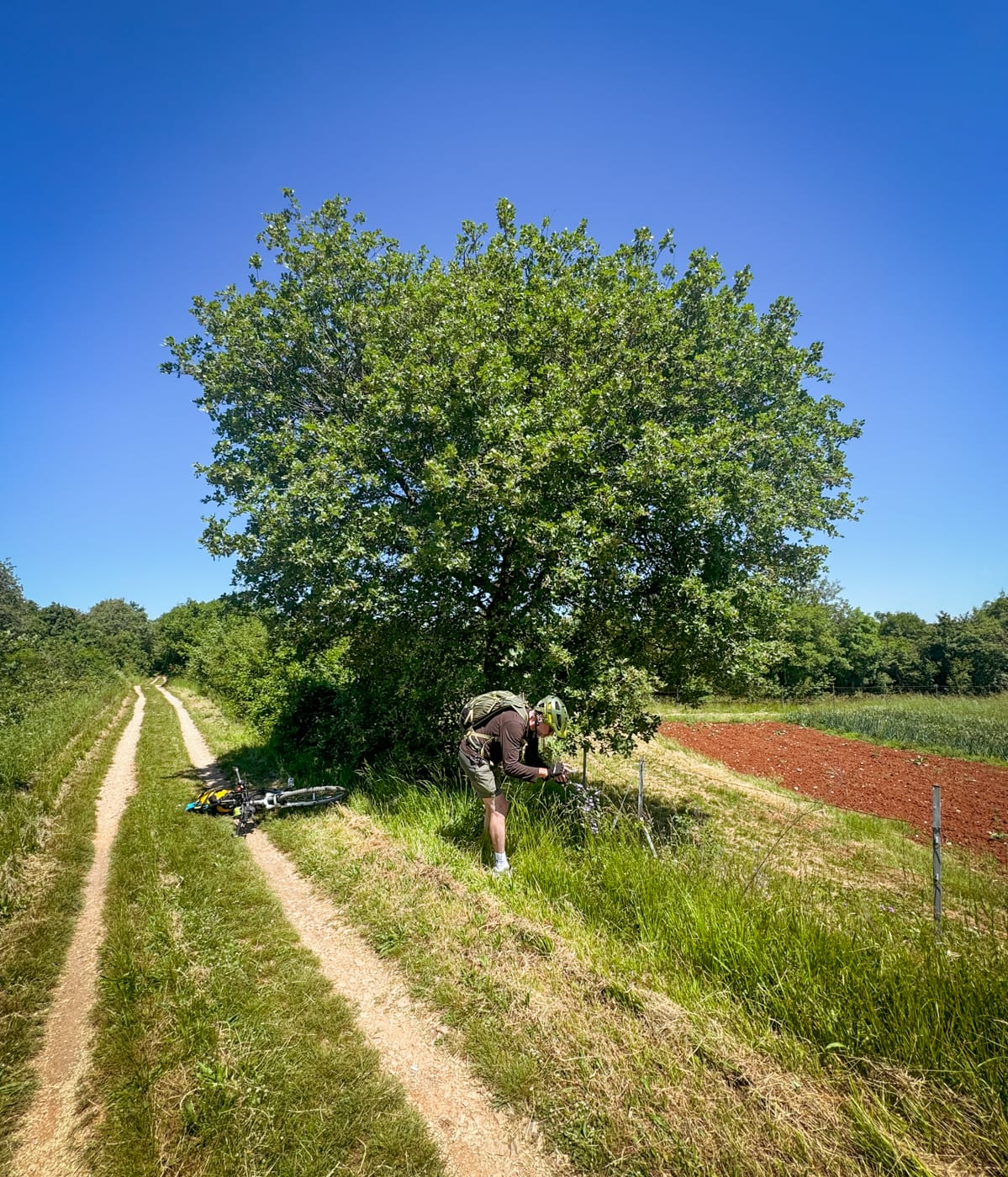
We talk about botany and botanists and what the most interesting research in this field is.
Roger recommends Light Eaters, a book by Zoë Schlanger on a potential paradigm shift in botany: the exciting, but controversial idea that plants may possess forms of intelligence and may even be conscious.
I in turn recommend Sue Burke's Semiosis, a sci-fi novel about colonists starting a new life on the planet Pax and their alliances with sentient indigenous plant species.
Only later do I realise how the Light Eaters idea resonates with another book I'm currently reading: Is a River Alive? by Robert McFarlane, about rivers as living beings, who should be recognised as such in both imagination and law. Wonderful text, check it out.
As we approach the end of the journey, I ask Roger to pick a plant of the day, a plant of the stage. As an example of what a different kind of travel journal can look like.
And so this letter has its first collaborator, because Roger was kind enough not only to pick the plant, but also to write a short description for each one. Thank you!
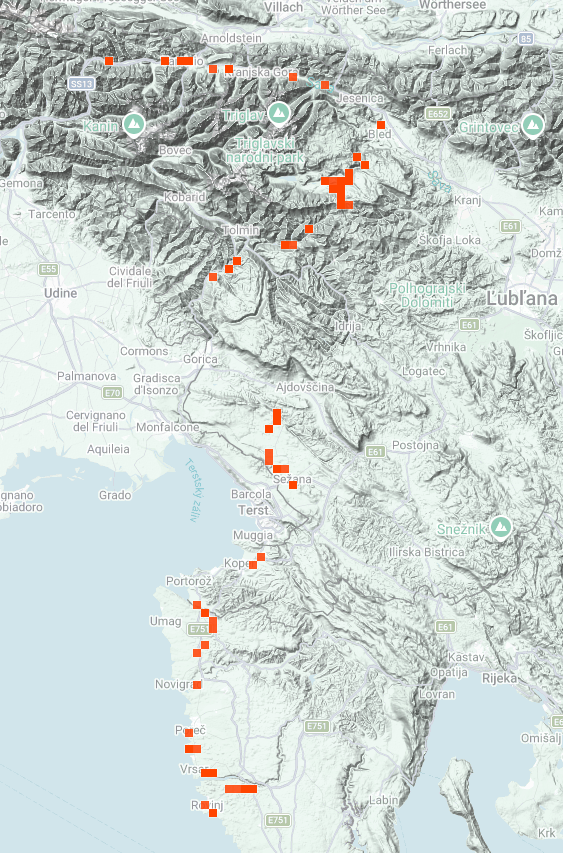
The Roger's Alpe-Istria Tour Journal
PS: Besides the English and Latin names, I kept the Slovak names, since Slovak is my first language:
Balm-leaved Archangel · Hluchavka veľkokvetá · Lamium orvala
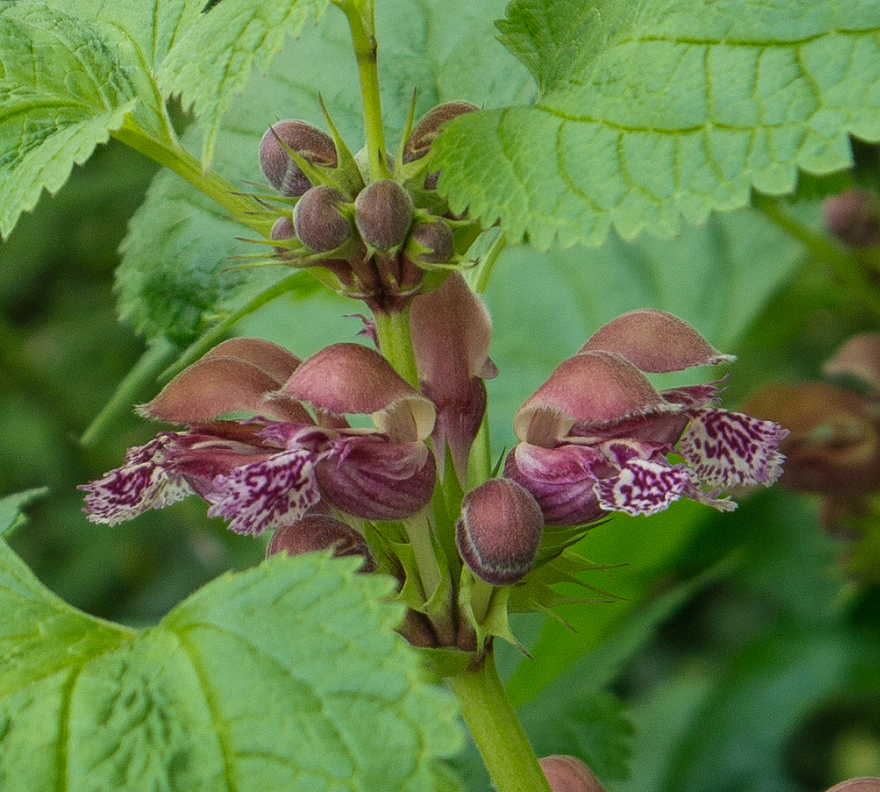
A giant among deadnettles. Unlike our tiny weeds, this is a woodland lady with flowers as big as a thumb, one you won't just overlook.
Stage: Pontebba - Tarvisio - Kranjska Gora.
Alpine Clematis · Plamienok alpínsky · Clematis alpina
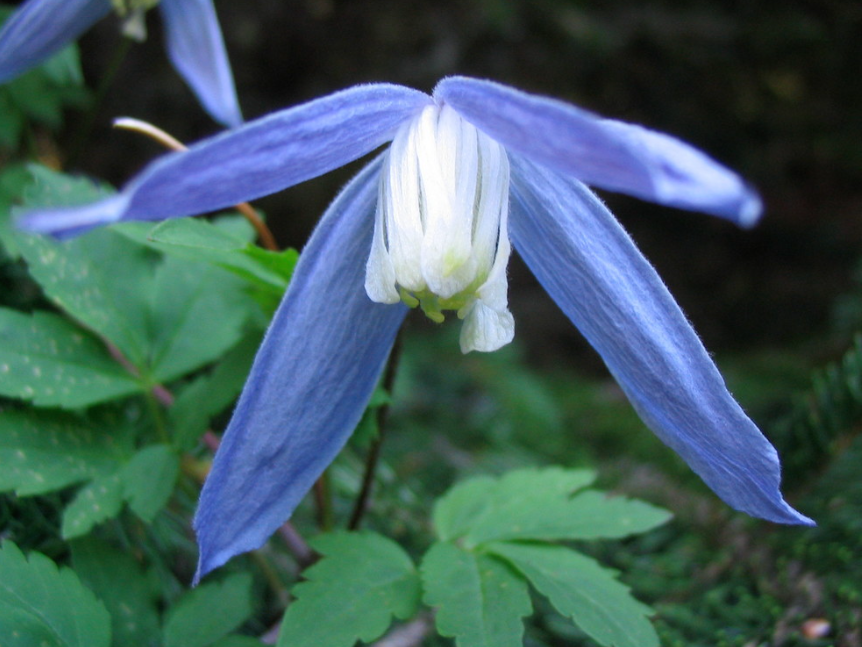
A mountain climber. This vine clambers over rocks and trees in the Alps, and its blue bells look as if they belong in a fairytale rather than in the rugged mountains.
Stage: Kranjska Gora - Bohinjska Bistrica
Narrow-leaved Helleborine · Prilbovka dlholistá · Cephalanthera longifolia
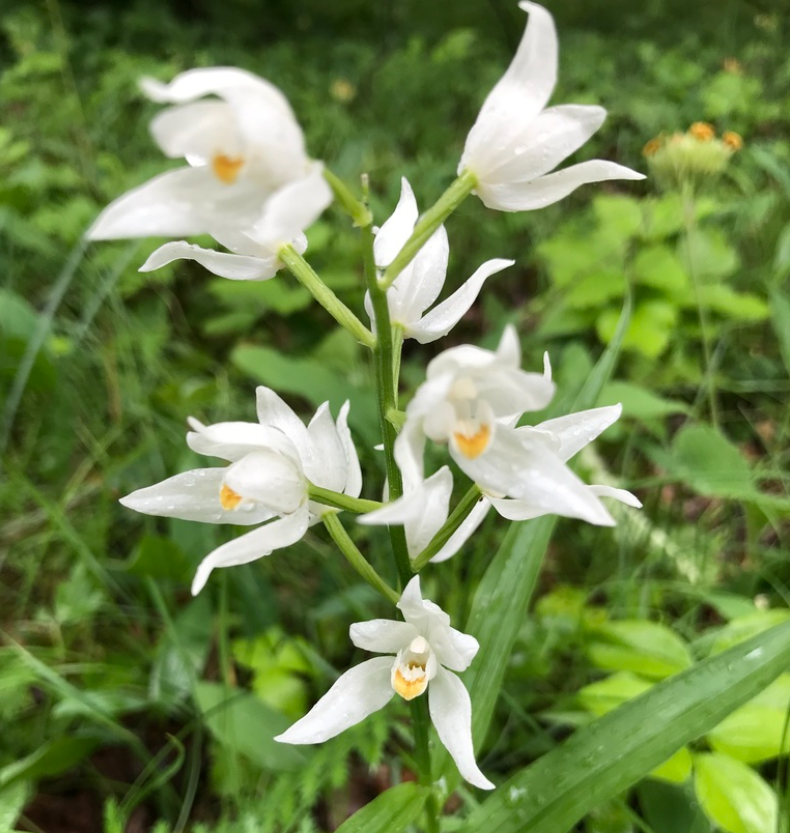
An elegant woodland orchid. Interestingly, it has almost no nectar, it simply deceives insects shamelessly with its bewitching white appearance.
Stage: Bohinjska Bistrica - Volča Draga
Burning Bush · Jasenec biely · Dictamnus albus
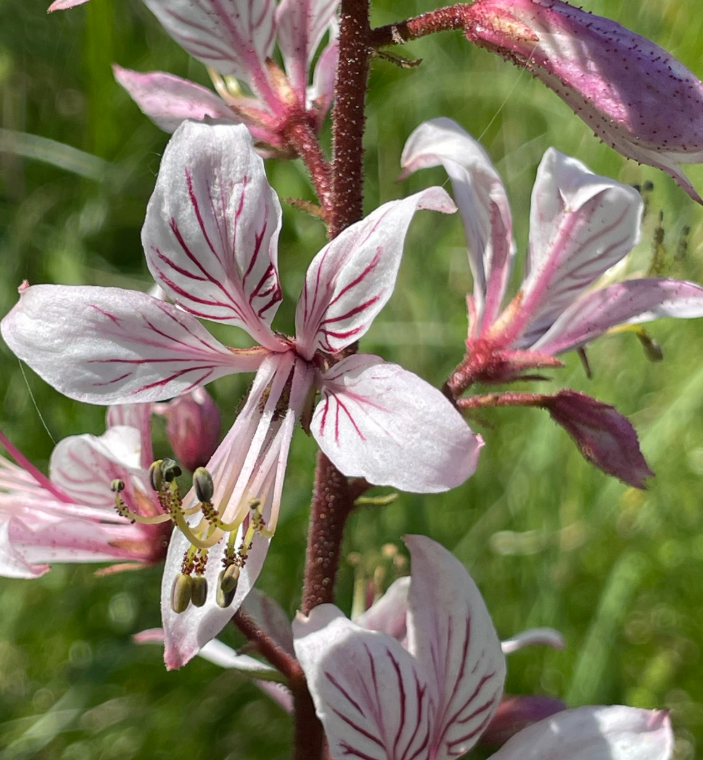
A botanical chameleon and a fire king. It releases so many essential oils that on a hot day the air around the plant can literally burst into flame.
Stage: Volča Draga - Portorož
Ovate Goatgrass · Mnohoštet kolienkatý · Aegilops geniculata
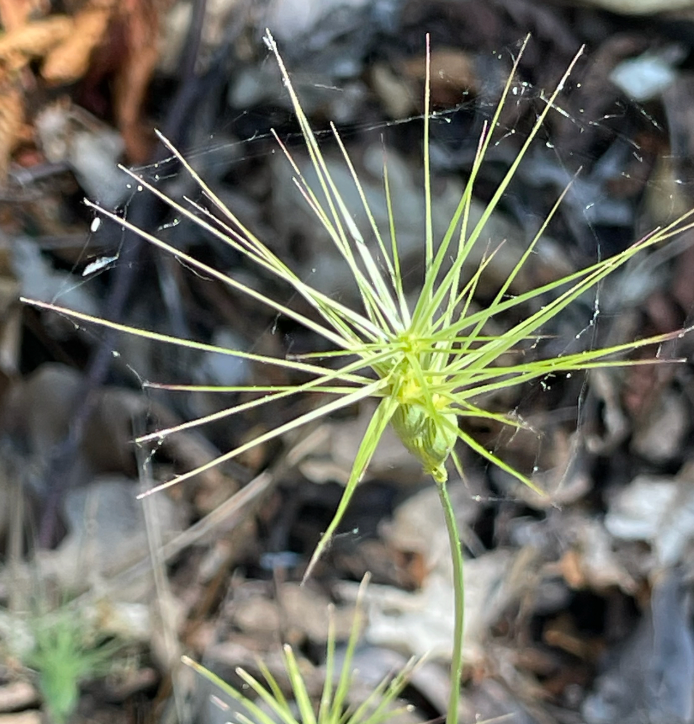
A wild cousin of our wheat. This tough grass from coastal regions helped scientists understand how the bread we eat today came to be.
Stage: Portorož - Poreč
Pyramidal Orchid · Červenohlav ihlanovitý · Anacamptis pyramidalis
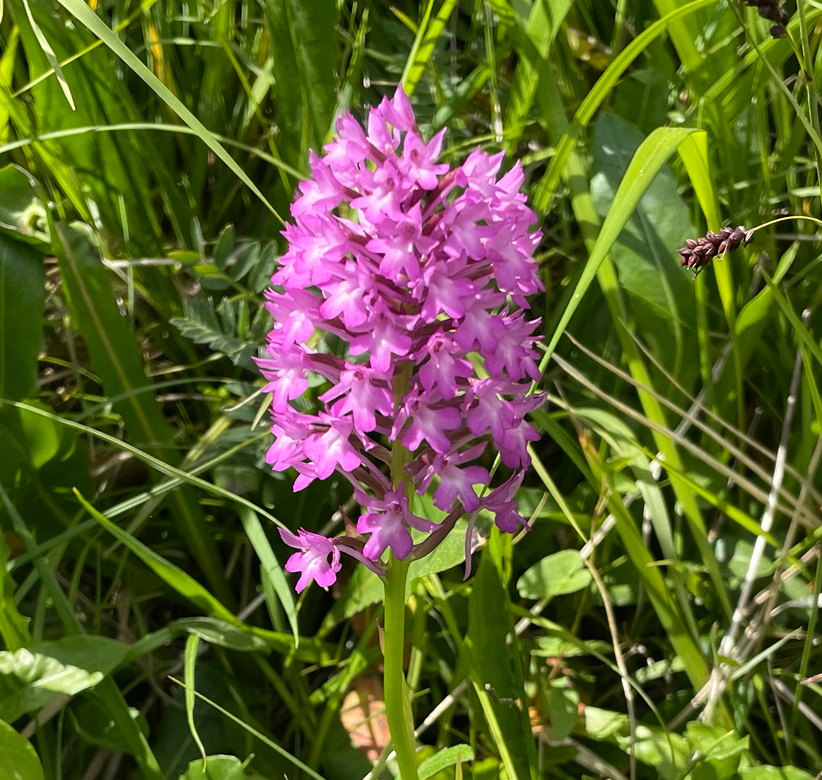
An orchid with perfect geometry. Its dense cone of flowers is loved by butterflies, for which it has developed a special landing strip on its lower lip.
Stage: Poreč - Rovinj/Rovigno
Rock Samphire · Feniklovec (Motar) prímorský · Crithmum maritimum
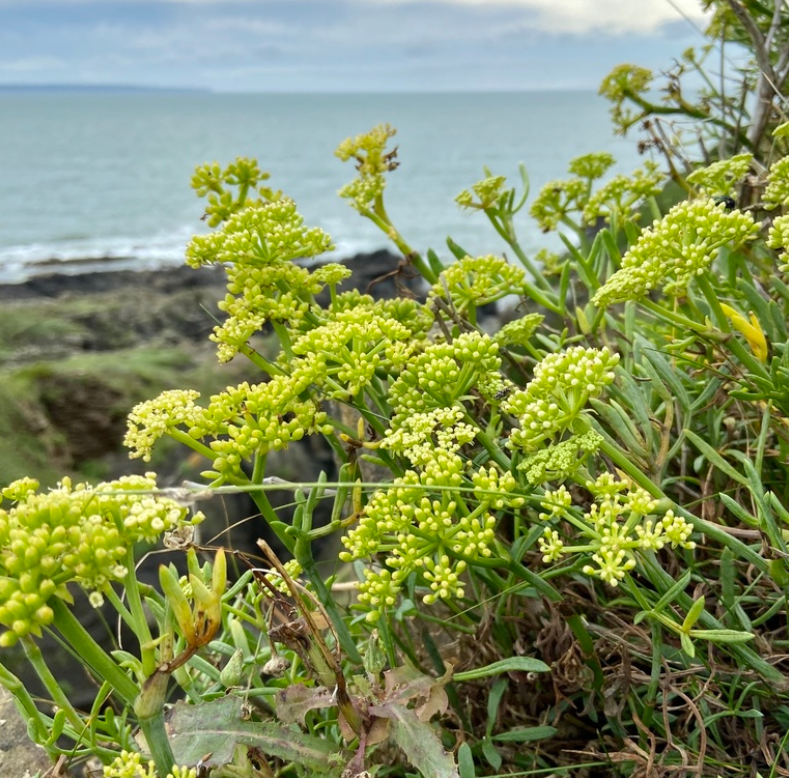
It grows straight out of rocks lashed by the sea surf. In the past, sailors ate it pickled in vinegar as a bomb against scurvy.
Stage: Rovinj/Rovigno chill 🌊
Christ's Thorn · Dvojtŕňovec kristov · Paliurus spina-christi
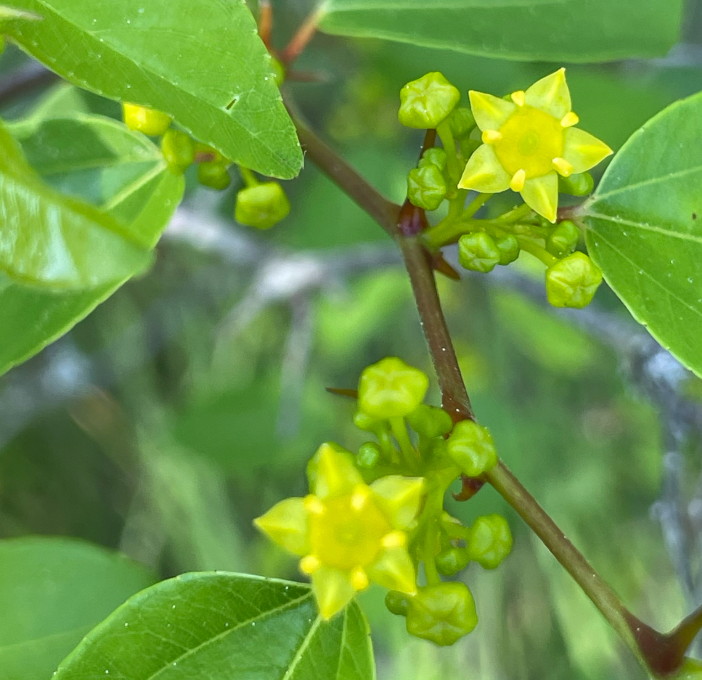
A rough souvenir from the Mediterranean. According to legend, it was from these crooked, incredibly prickly branches that Christ's crown of thorns was woven.
Stage: Rovinj - Novigrad
European Smoketree · Škumpa vlasatá · Cotinus coggygria
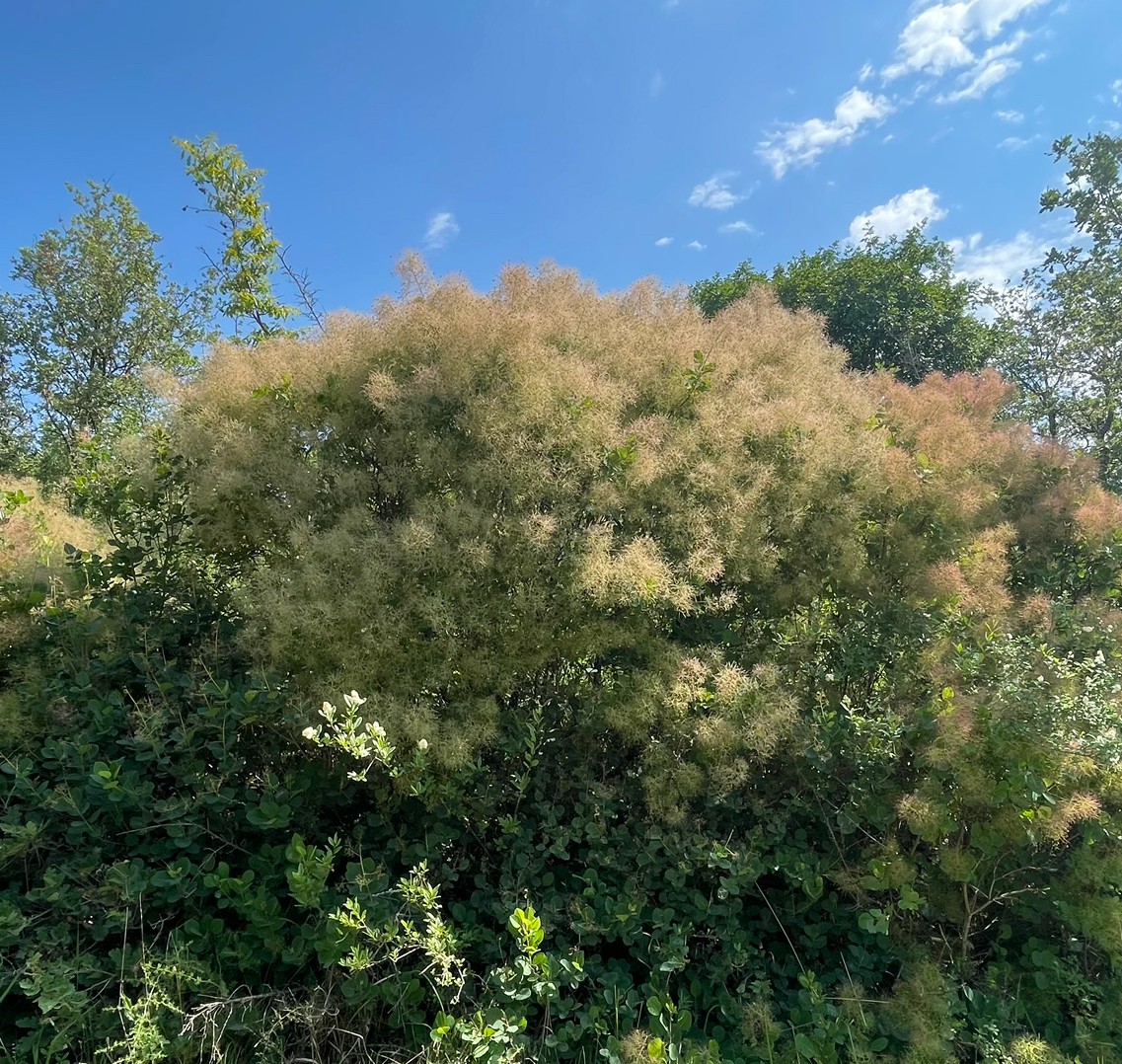
After flowering, it looks as if it were shrouded in pink smoke or cotton candy. On top of that, its leaves turn an almost glowing red in autumn.
Stage: Novigrad - Trieste
Turkey Oak · Dub cerový · Quercus cerris
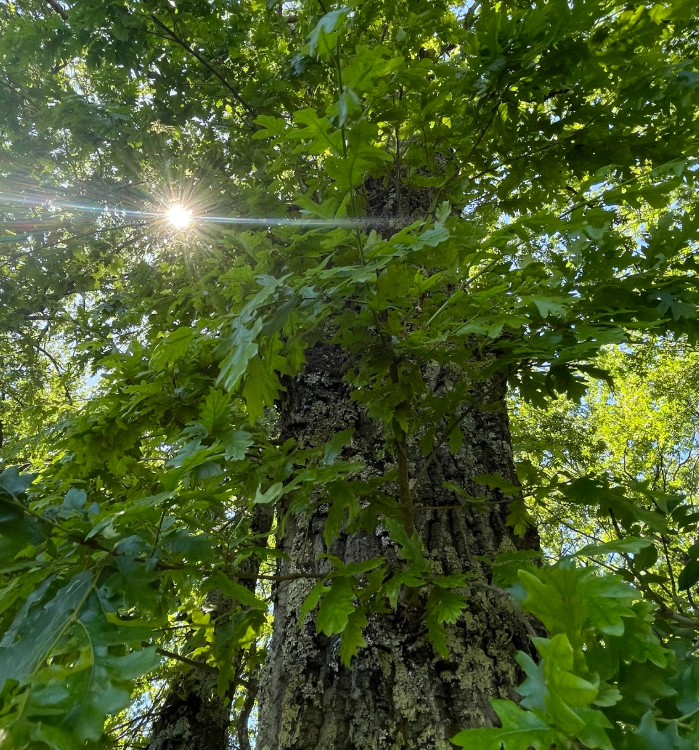
In Balkan folklore, it was precisely the Turkey oak (together with the hawthorn) that was considered the best wood for making stakes against vampires and evil spirits.
Stage: Trieste
. . .
All the plants & trees Roger observed during our Alpe-Istria Tour are here.
Last, but not least, big up pha for planning the route 🙌
Thanks for reading & take care,
Peter