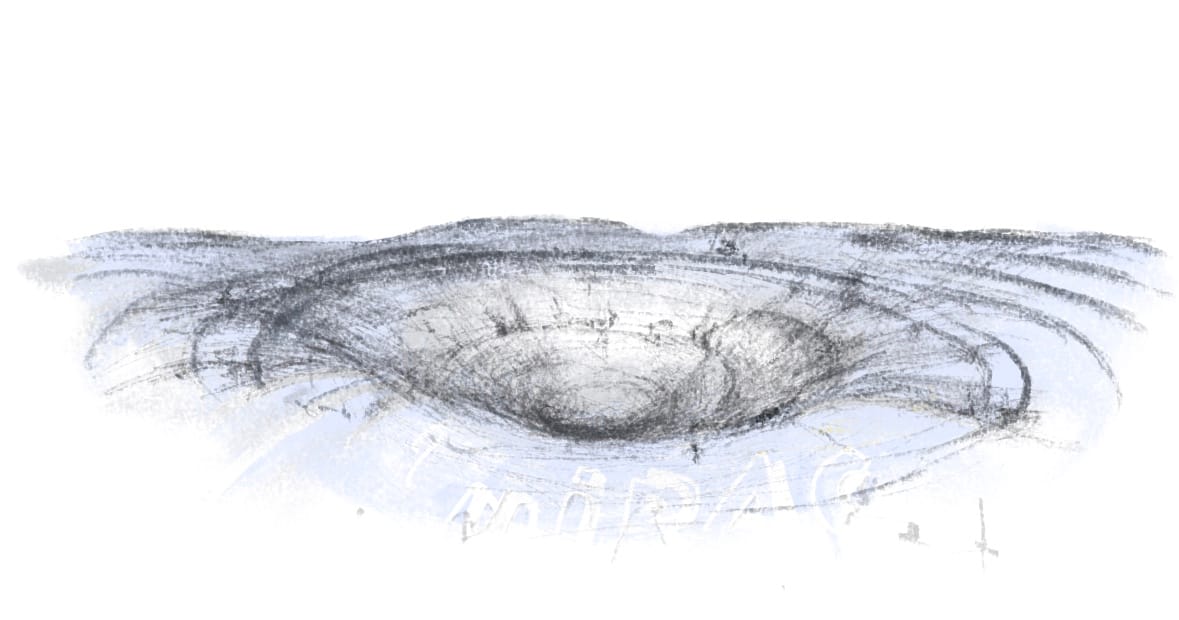
Attention ecology
We’re not able to devote enough attention, Yves Citton proposes in his book The Ecology of Attention.
Our personal ecology of attention isn’t in order; it doesn’t work the way it should — we can’t focus on what matters and make decisions accordingly.
Even if we assume we are all rational actors in the economic folklore, it’s worth asking whether we can truly devote ourselves to what matters and decide based on that.
Such an optimistic view depends on whether we even have access to useful information.
The rationality of our behavior is constantly threatened by the lack of information we have about the surrounding environment.
In other words: we never have the means to devote enough attention.
Our behavior is irrational because our actions are constrained by the unreal theater (spectacle) that we are constantly expected to participate in.
An economy that deals only with the metric of attention has no way to measure — or even truly know — what is required to reproduce the very conditions of attention.
Related:
 Peter
Peter
 Peter
Peter